
Tourist guide Croatia
Complete guide to tourist attractions in Croatia. Discover, explore and visit natural and cultural sights, events and points of interest, and spend an unforgettable vacation in Croatia! Top 10 reasons to visit Croatia!

Nikola Tesla memorial center

Gospić

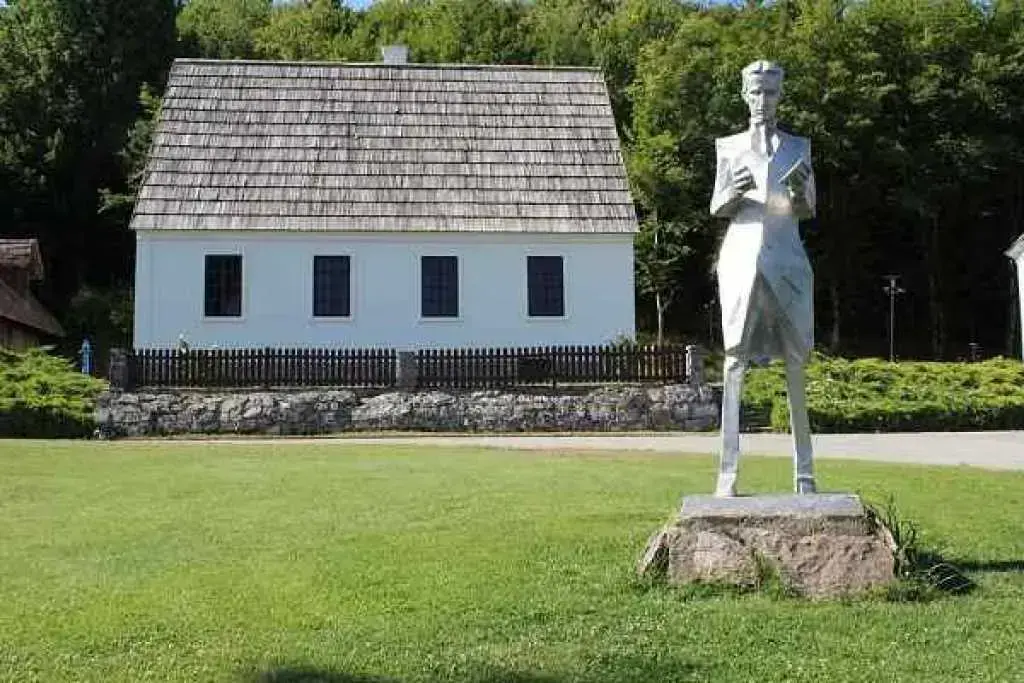
Although almost every person in the world knows about the famous inventor Nikola Tesla, it is less known that on July 10, 1856, Nikola Tesla was born in the small village of Smiljani, near Gospić in Lika. To celebrate the 150th anniversary of the birth of this visionary, the Nikola Tesla memorial ce...

Old town of Korčula

Korčula - Korčula

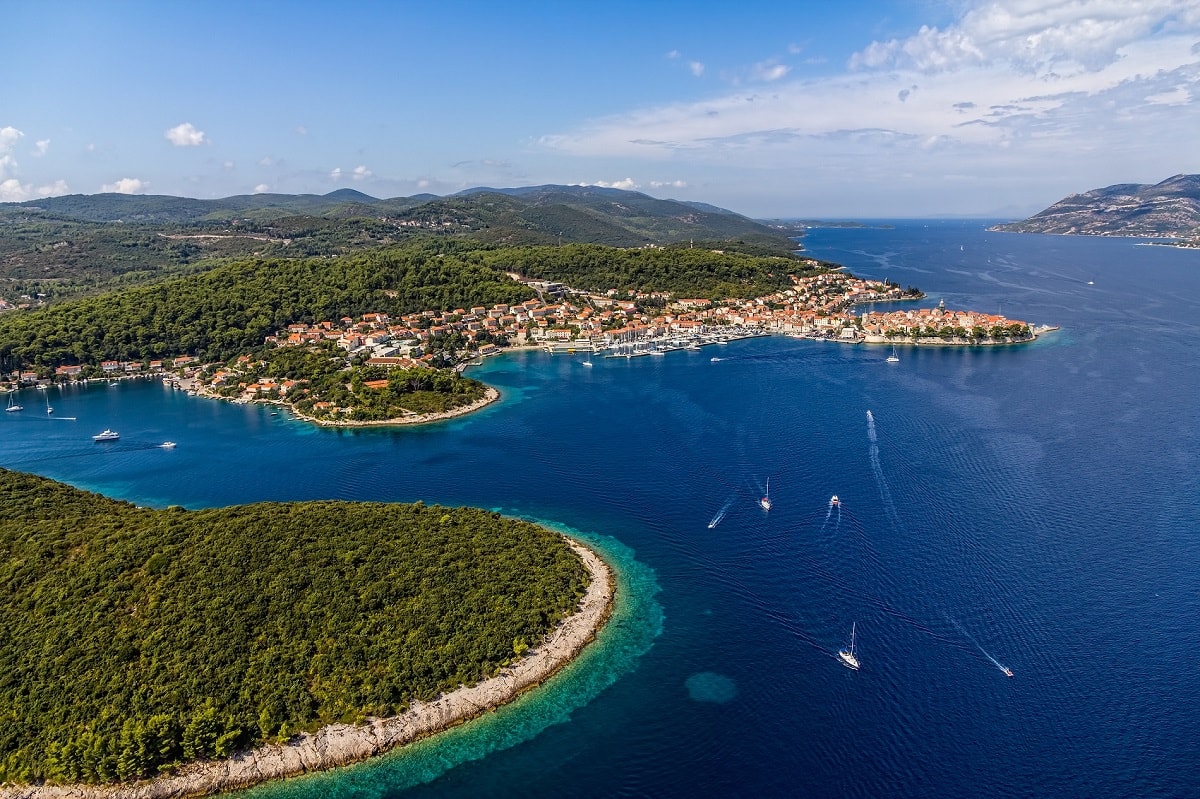
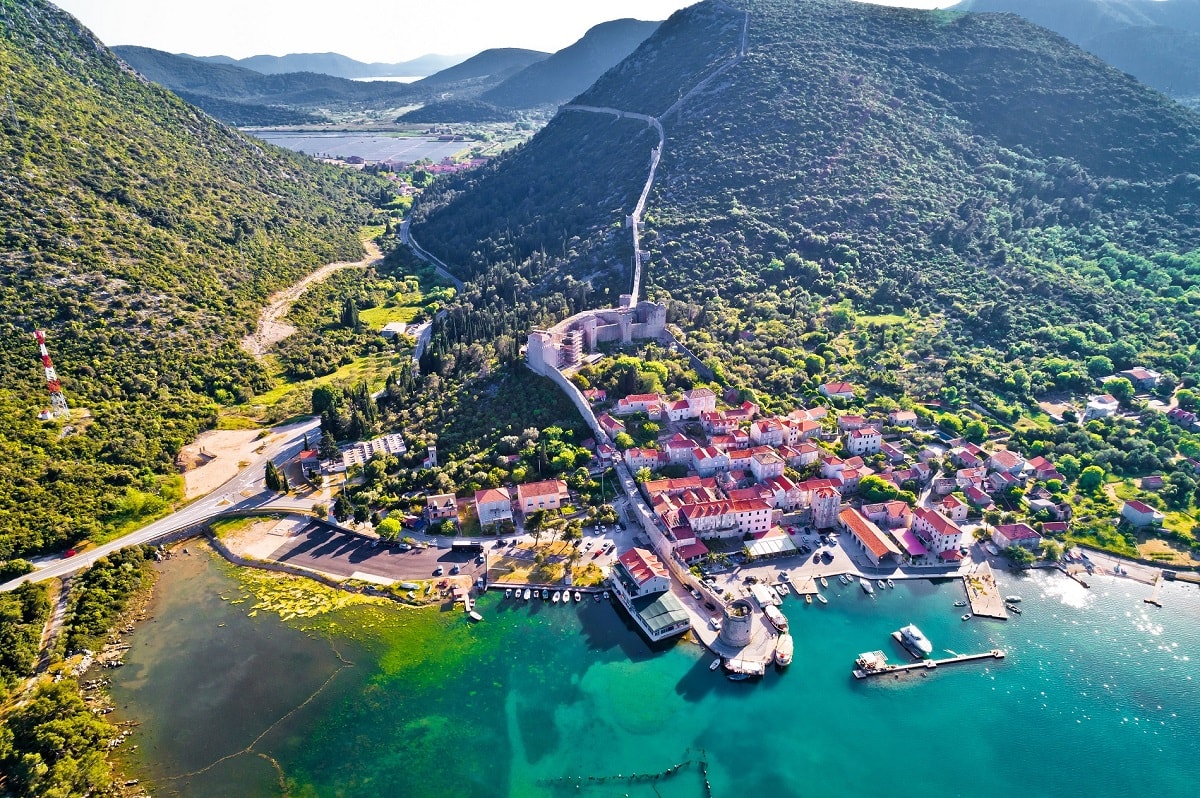
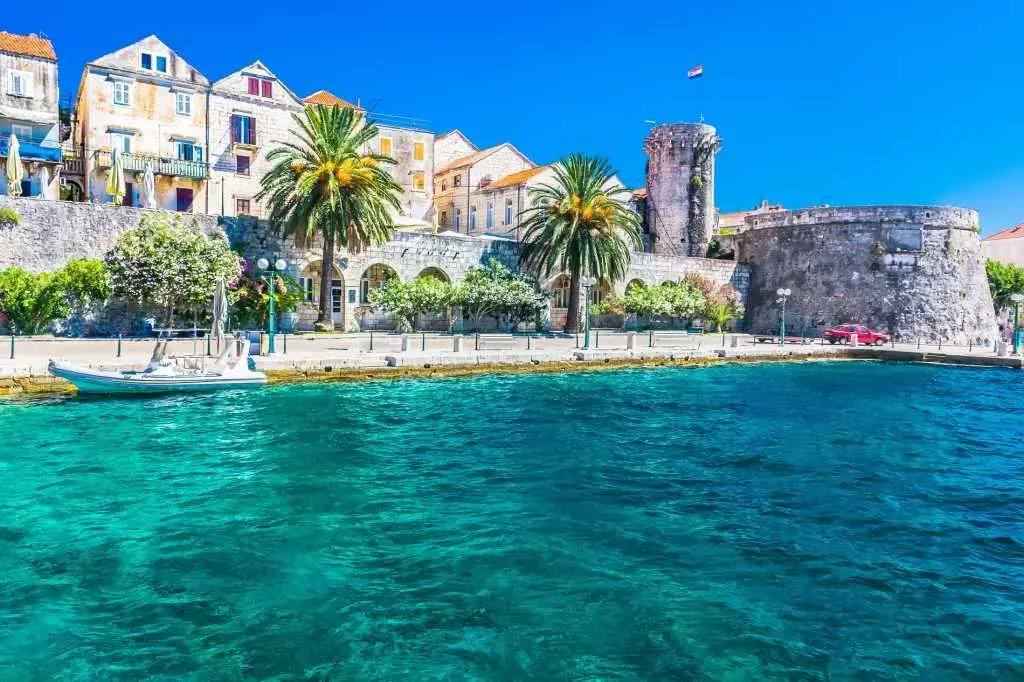
The old town of Korčula is a historic town built in the 13th century, located on the beautiful island of Korčula. The old town and narrow stone streets are surrounded by old walls and towers that defended Korčula from the enemies for centuries. Historically, the fort has protected the strait between...

Museum of Apoxyomenos

Lošinj - Mali Lošinj

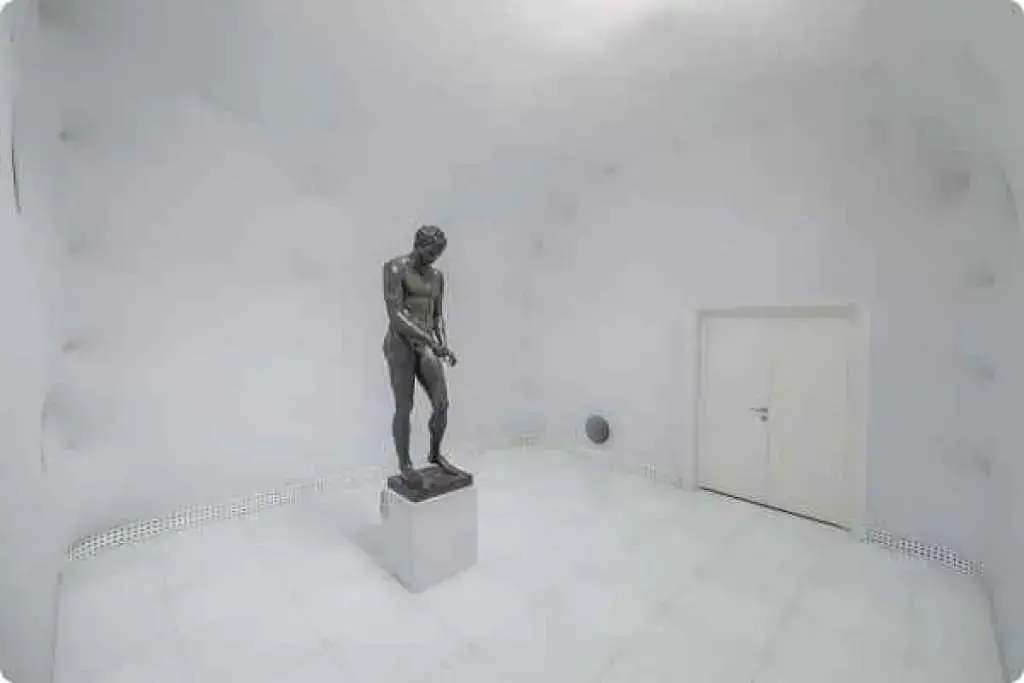
If you are visiting the island of Lošinj, don't miss opportunity to visit the museum of Apoxyomenos. This unique museum tells the story about only one exhibit - the Apoxyomenos of Lošinj. A bronze Greek statue of Apoxyomenos, 192 cm tall, shows an athlete of perfect proportions who cleans a scraper....

Bear refuge Kuterevo

Otočac

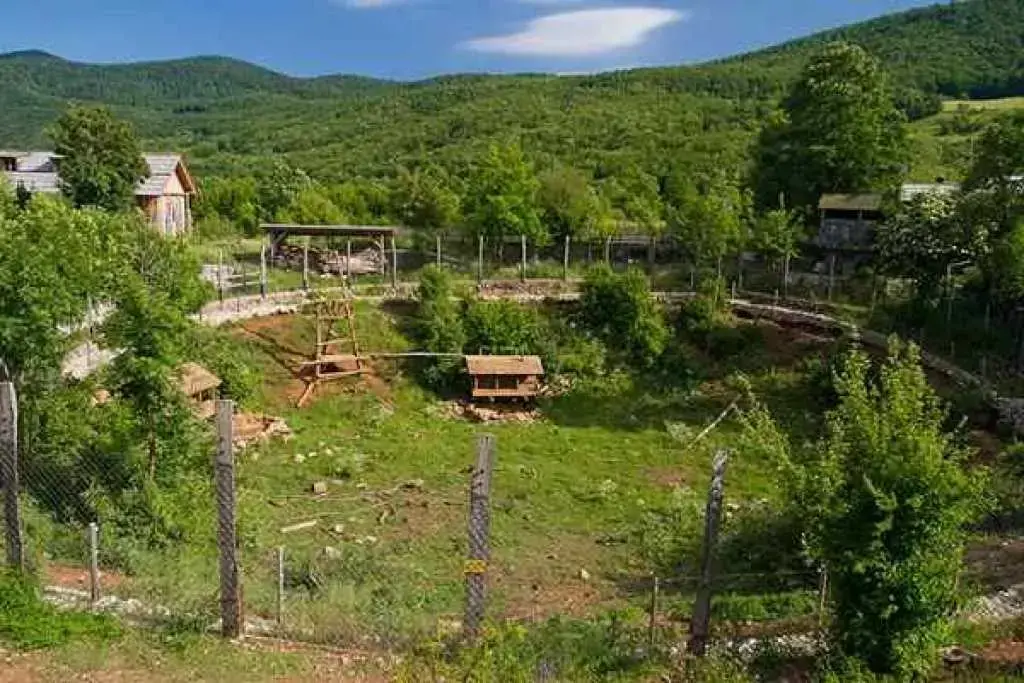
Kuterevo is a picturesque village in Lika, situated in a wooded valley on the slopes of Velebit mountain. Although the village is very small, Kuterevo is known for the bear refuge Kutarevo which was established in 2002. Bear refuge Kuterevo provides shelter for bears, especially for bear cubs that h...

Saharun (Sakarun) beach

Dugi otok

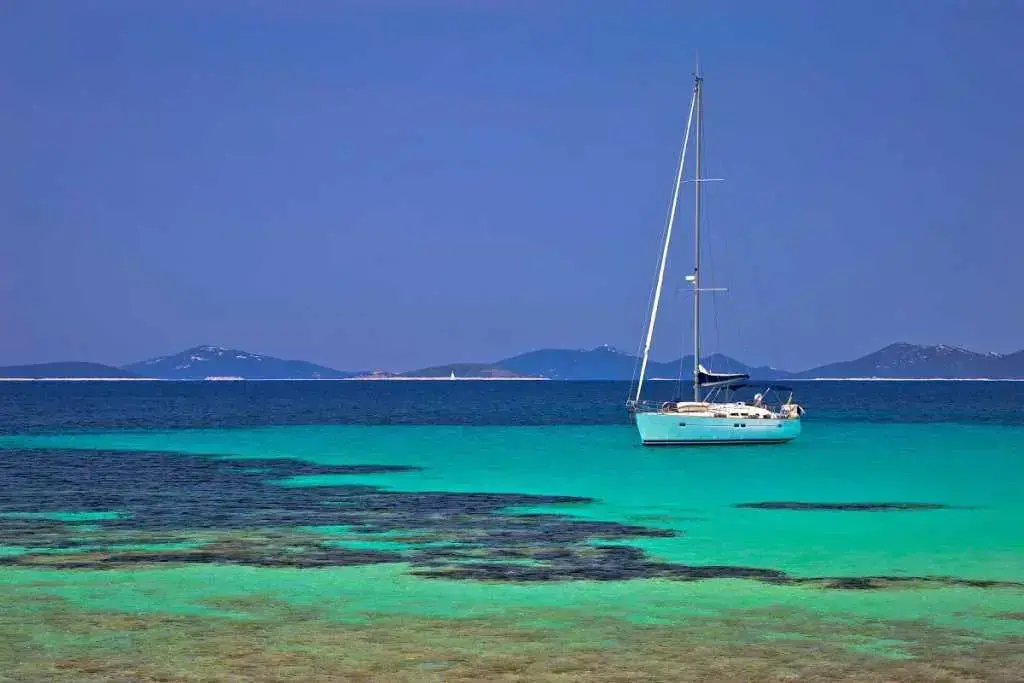
Certainly the most famous beach on Dugi otok and one of the most beautiful beaches in Croatia is the sandy beach Saharun. Located on the northern part of the island overlooking the open sea, the 800-meter long Saharun beach is located not far from the tourist places of Božava and Veli Rat. A green p...

The Pula amphitheater

Pula

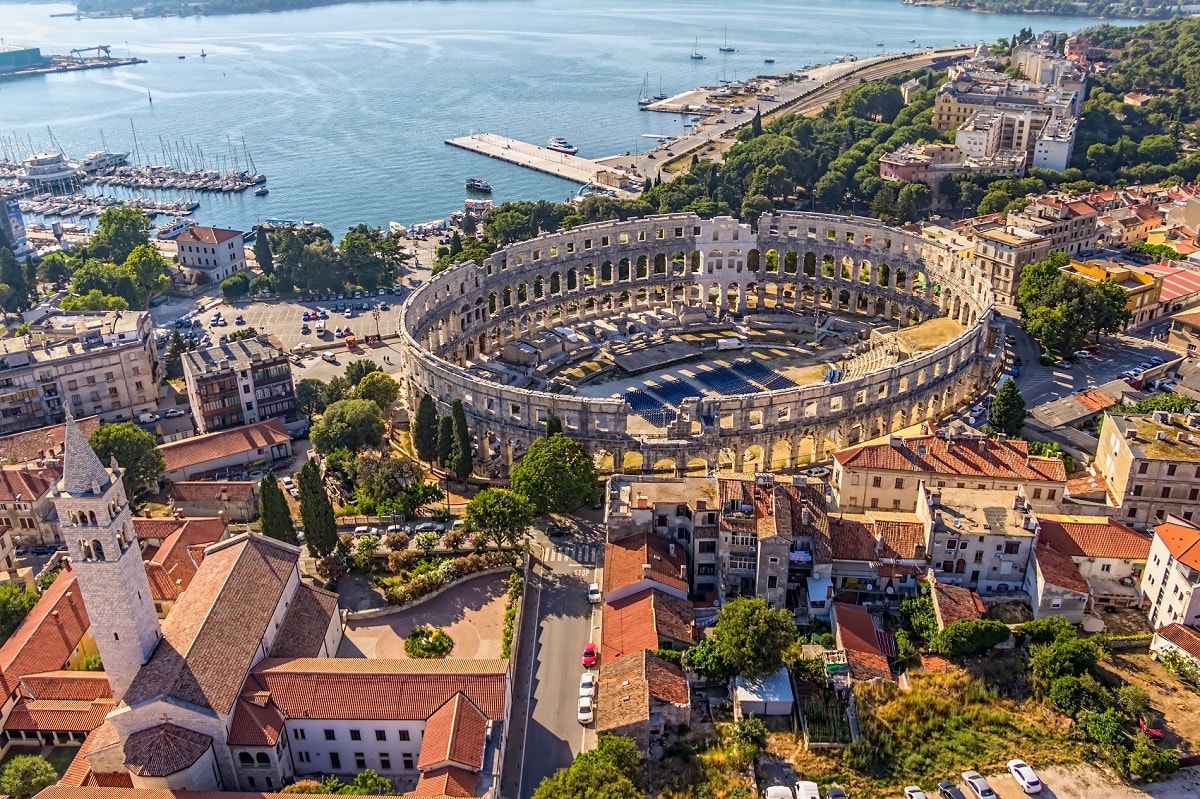
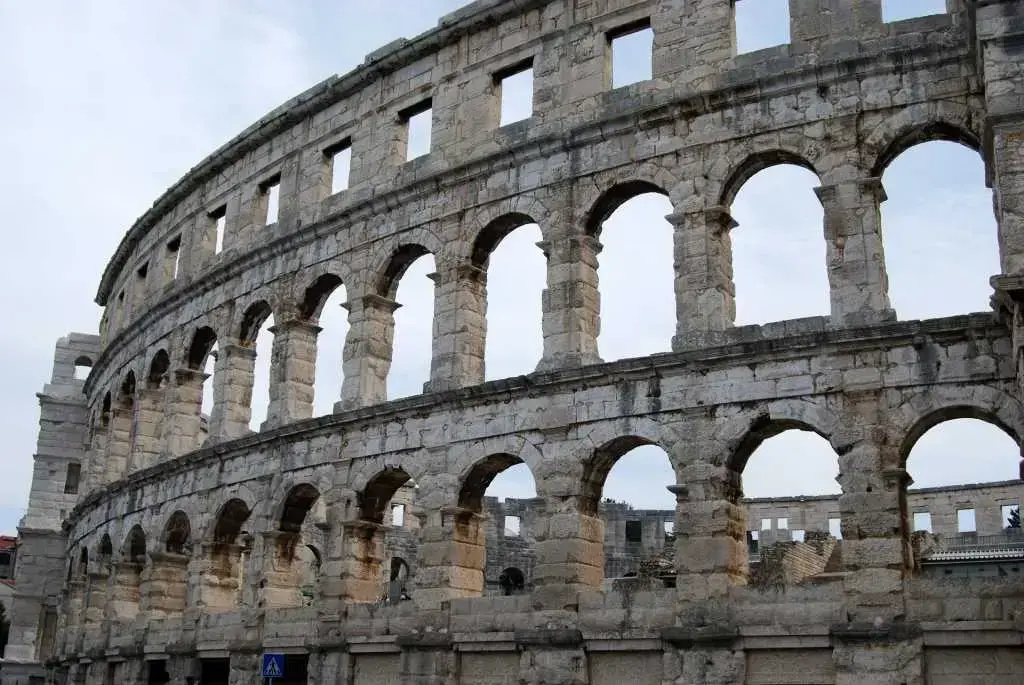
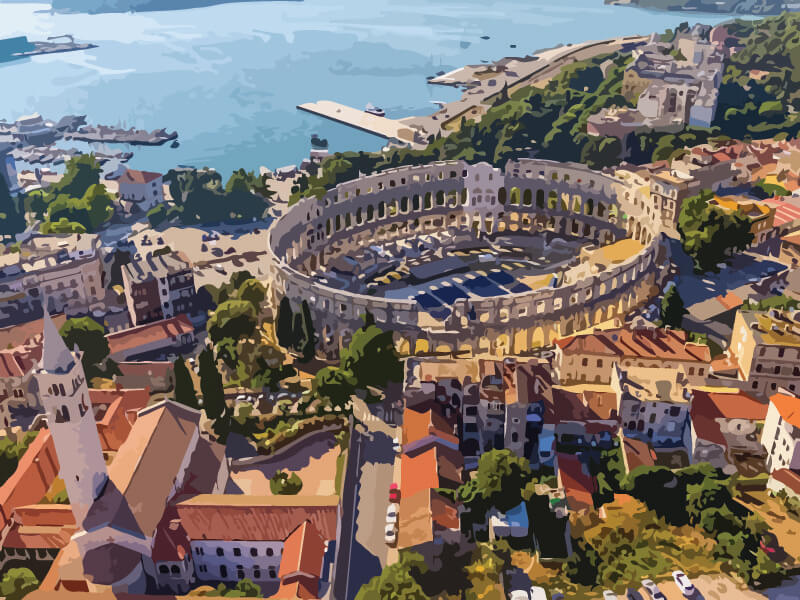
The Pula amphitheater (or Pula Arena) is the most preserved Croatian monument of ancient Rome, and it is on the list of the top 10 largest preserved ancient amphitheaters in the world. The Pula amphitheater was built during the 1st century AD in several stages, and today’s appearance was formed in t...

The Lim channel

Rovinj

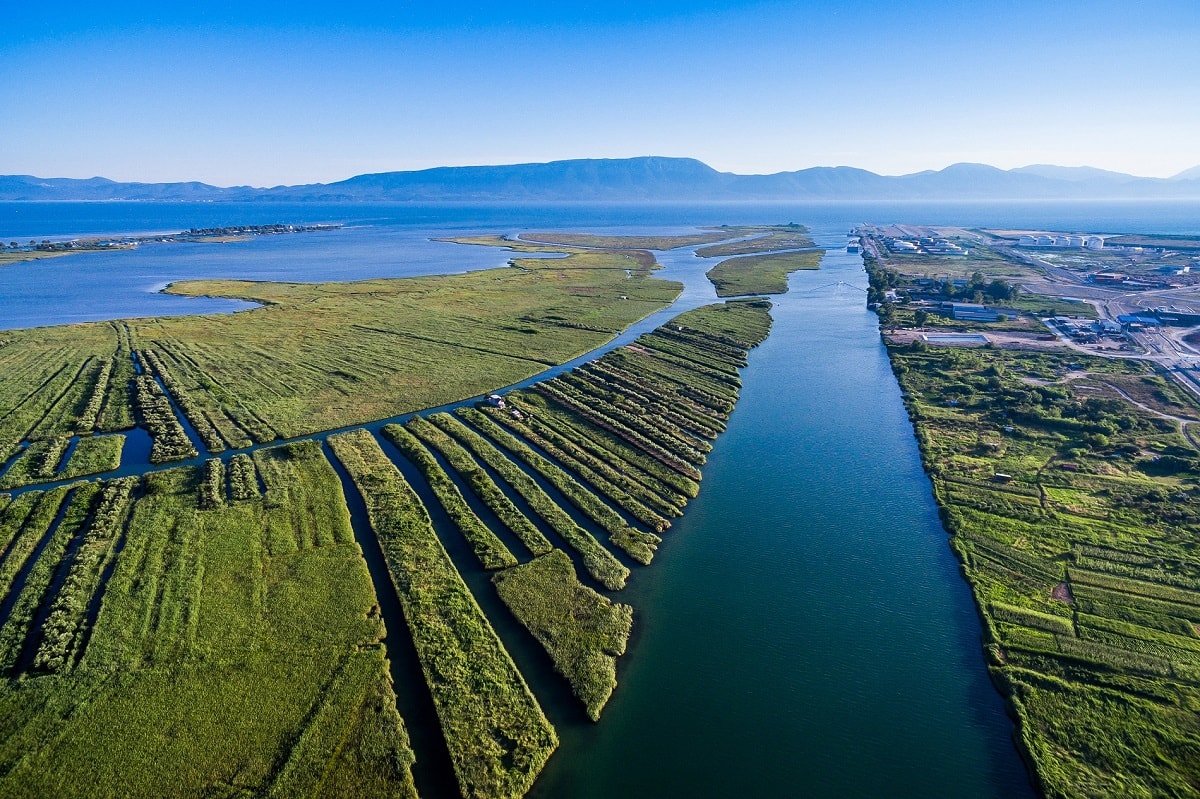
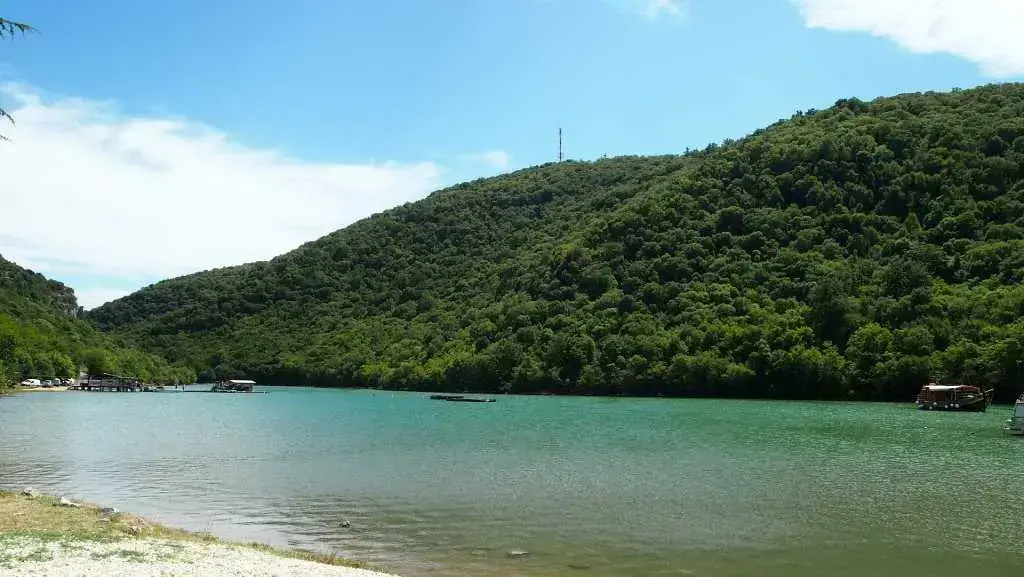
Lim channel (also Lim bay or Lim fjord) is a bay just over 10 kilometers long, located in the western part of Istria, between Rovinj and Vrsar. The Lim channel is extremely popular for its enchanting nature. The water in the Lim channel is a mixture of saltwater and freshwater from the Pazinčica riv...

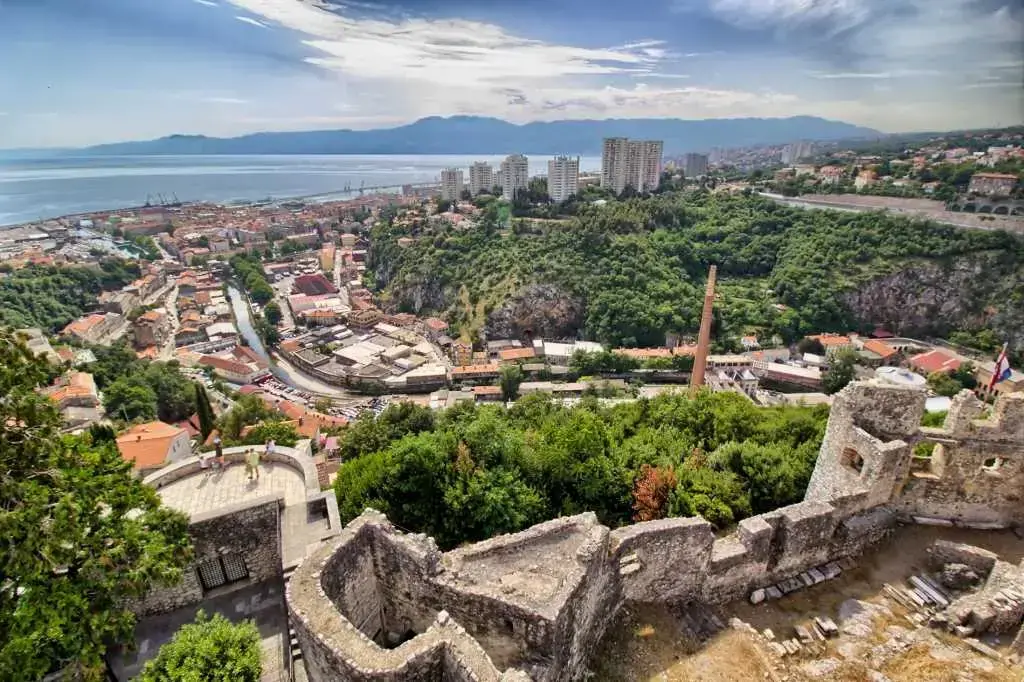
Trsat castle

Rijeka

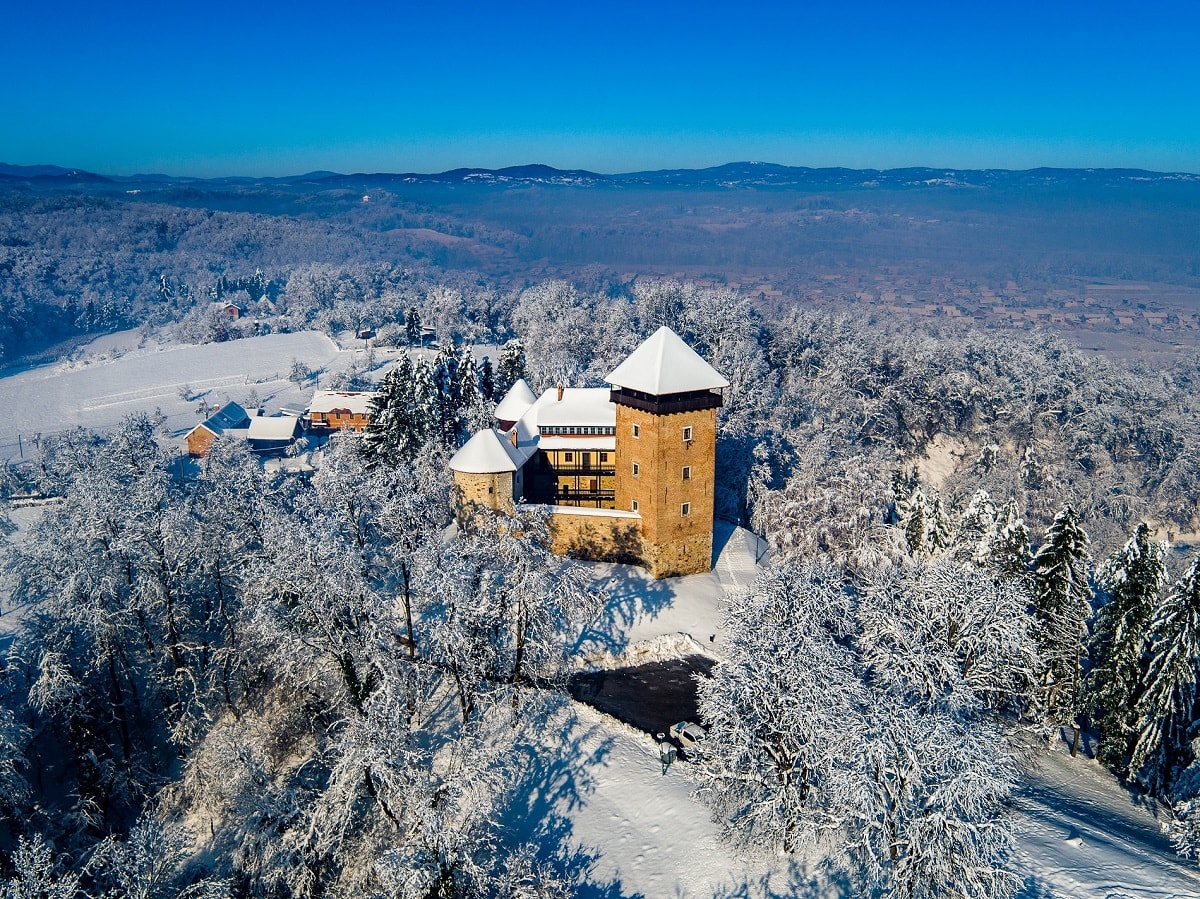
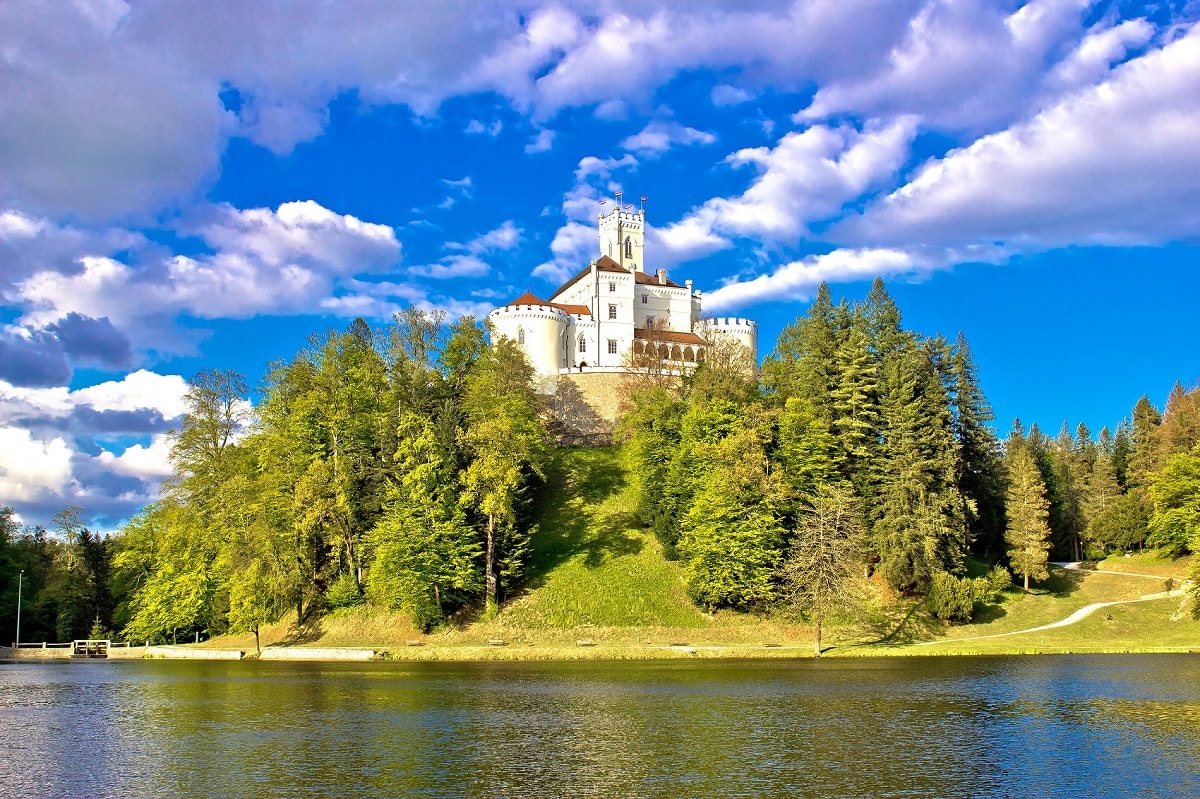
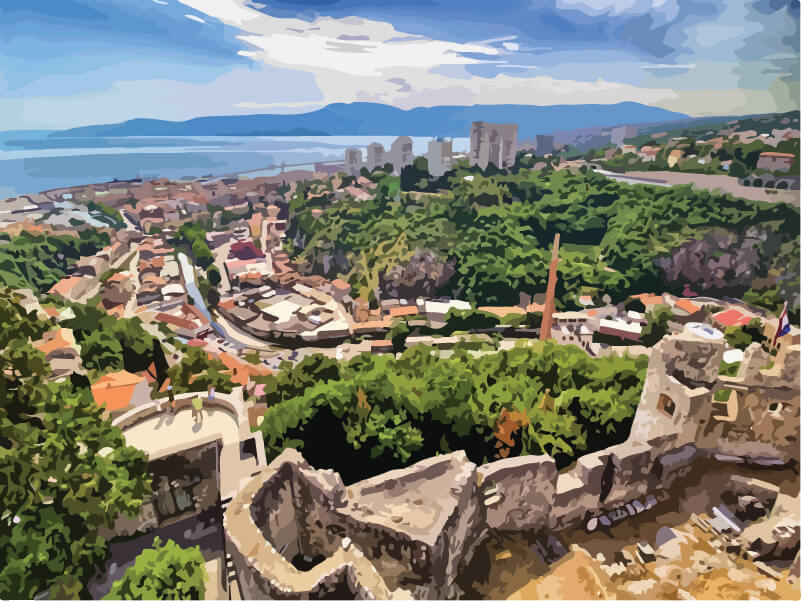
Trsat castle is a fortress located on a 138 meters high hill, which rises above the city of Rijeka. From Trsat castle you can enjoy magnificent views of Rijeka, Kvarner and the Kvarner archipelago. Today, Trsat attracts many visitors who enjoy the rich history of the fortress. Trsat castle was built...

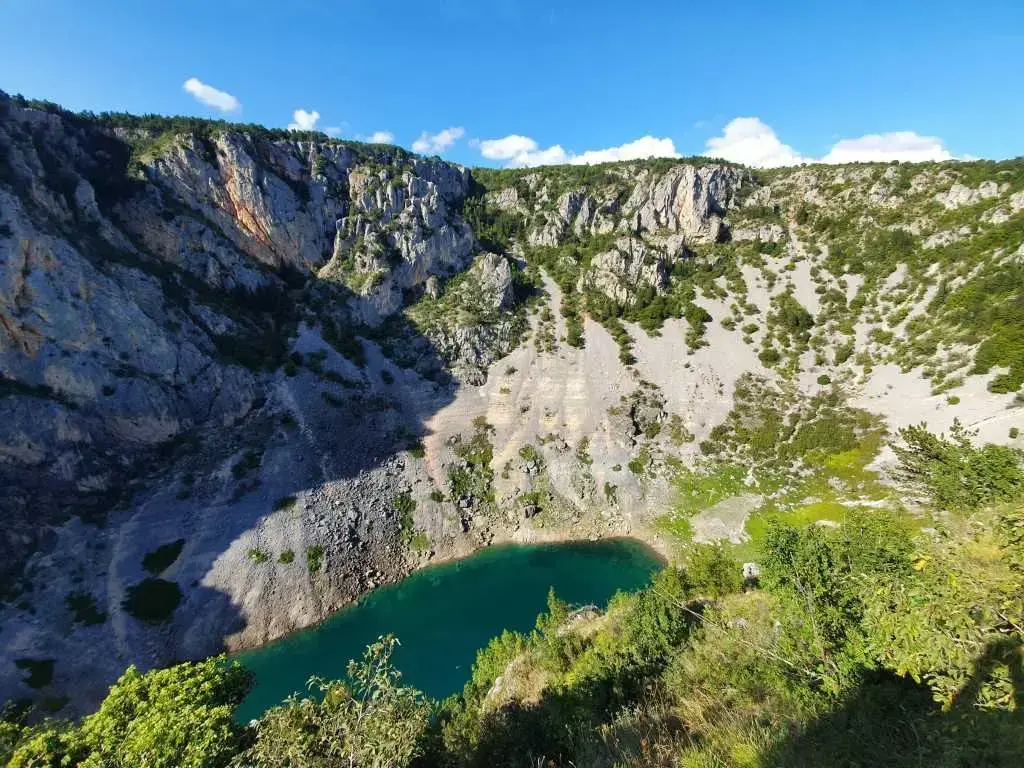
Plavo lake

Imotski

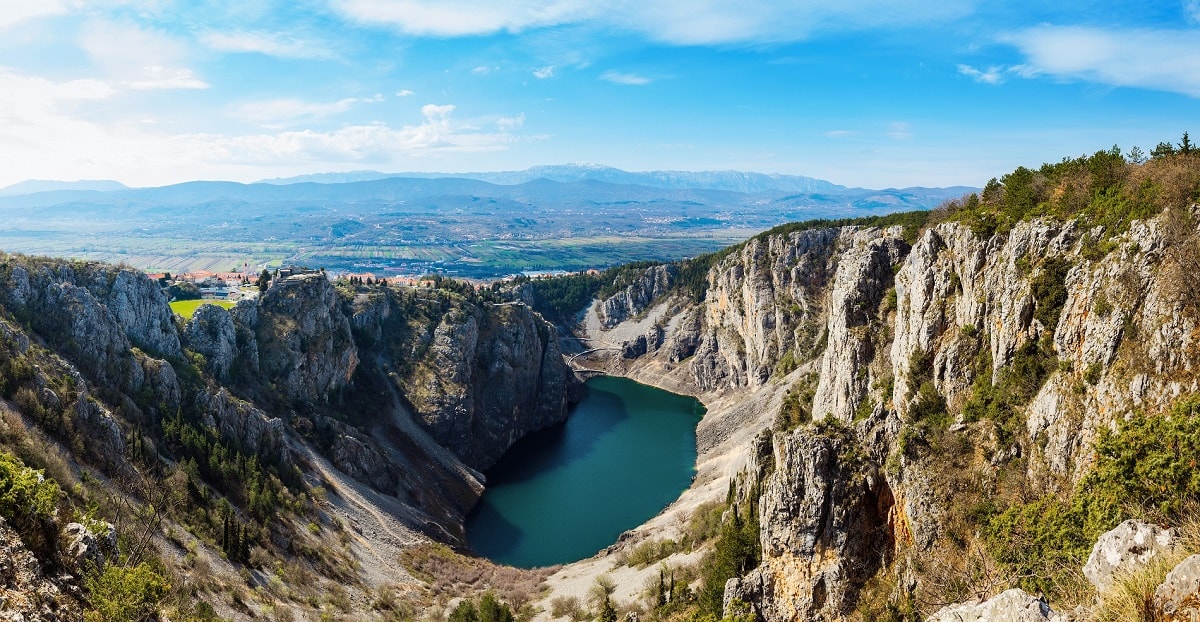
Plavo lake or Modro lake (Blue lake) is considered as one of the most beautiful karst lakes in this part of Europe. Plavo lake is located near the city of Imotski, not far from the border with Bosnia and Herzegovina. The depth of water depends on the season, and it can range from 0 meters when the l...

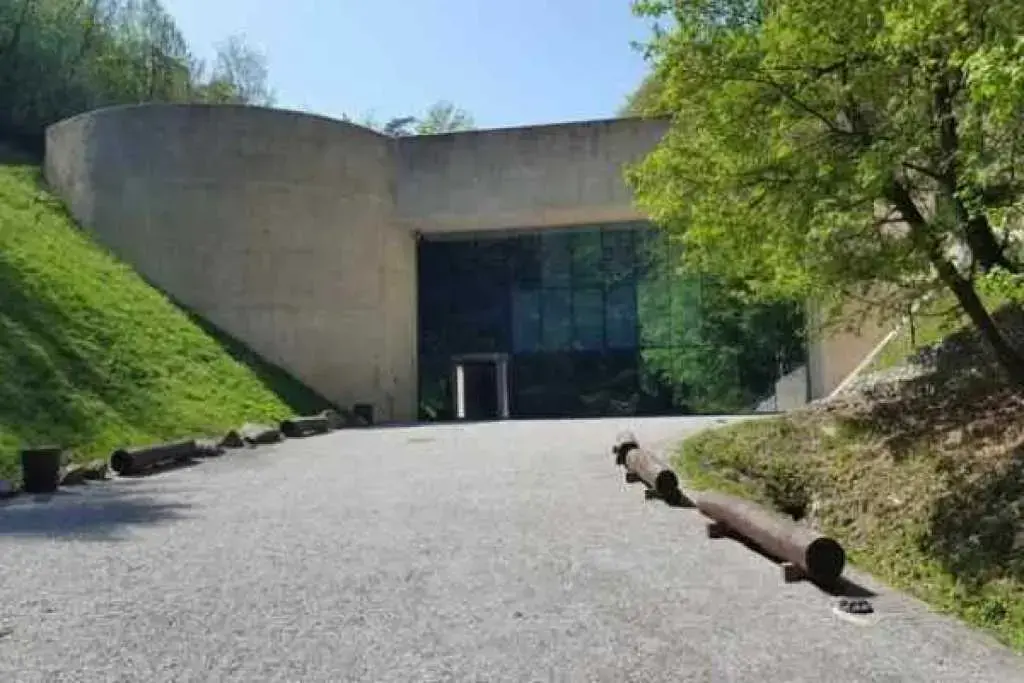
Krapina Neanderthal Museum

Krapina

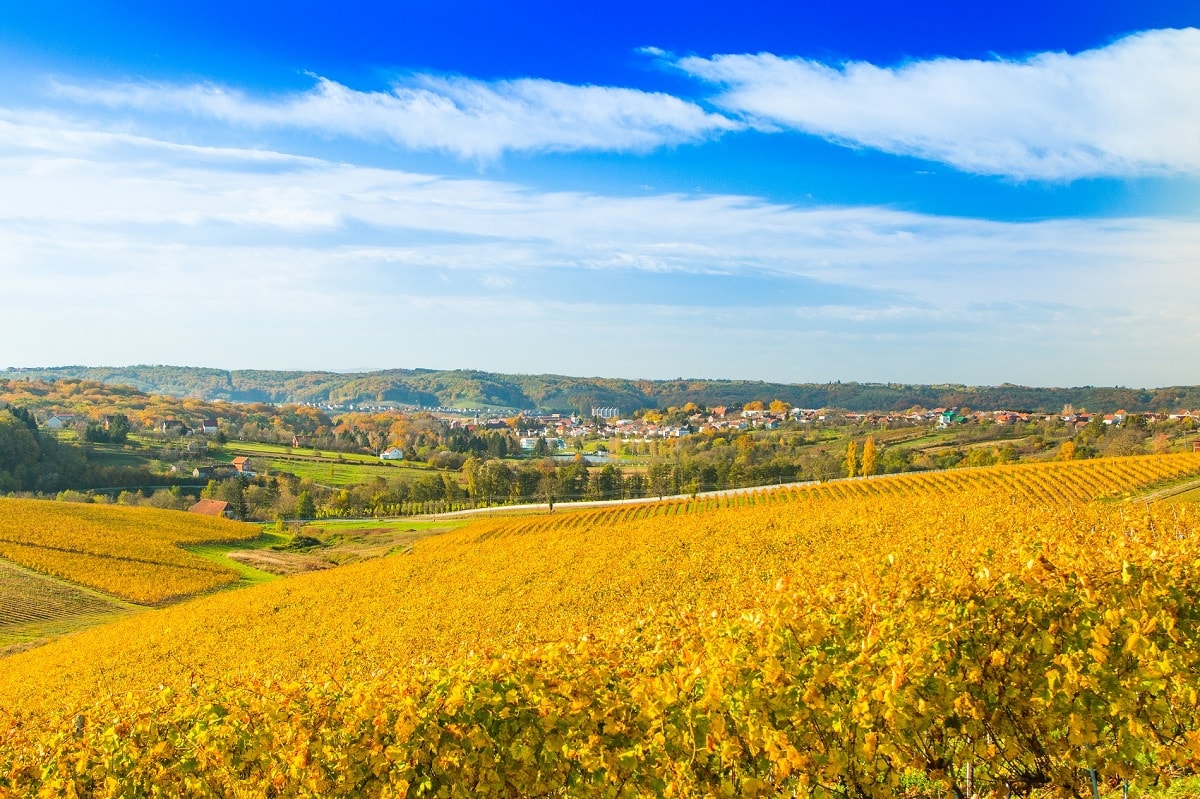
One of the most famous sites of neanderthal prehistoric man is located in Hušnjakovo near Krapina (Zagorje region). Today, the Krapina Neanderthal museum is located near Hušnjakovo. The Krapina Neanderthal museum has been opened in 2010, with an exhibition space of 1,200 m2. Due to its exceptional c...

Why visit Croatia?

Top 10 reasons to visit Croatia

  1. 1 5835 km of coastline
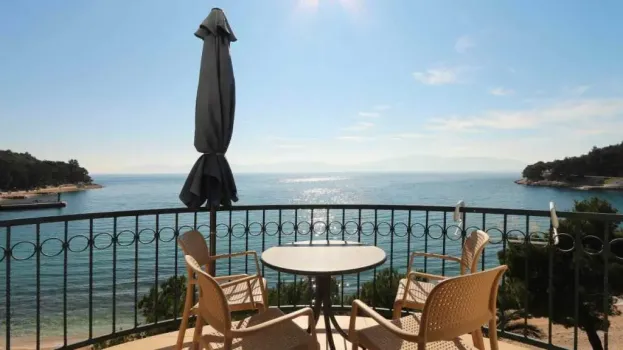
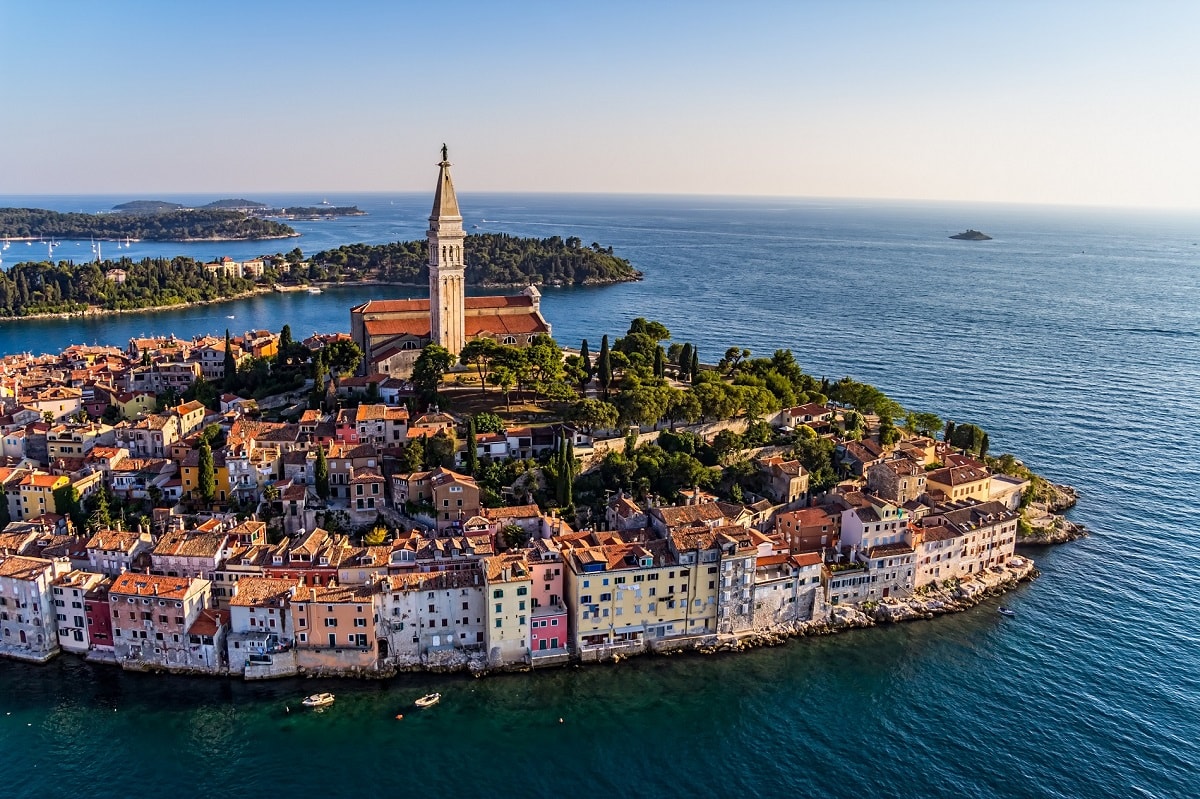
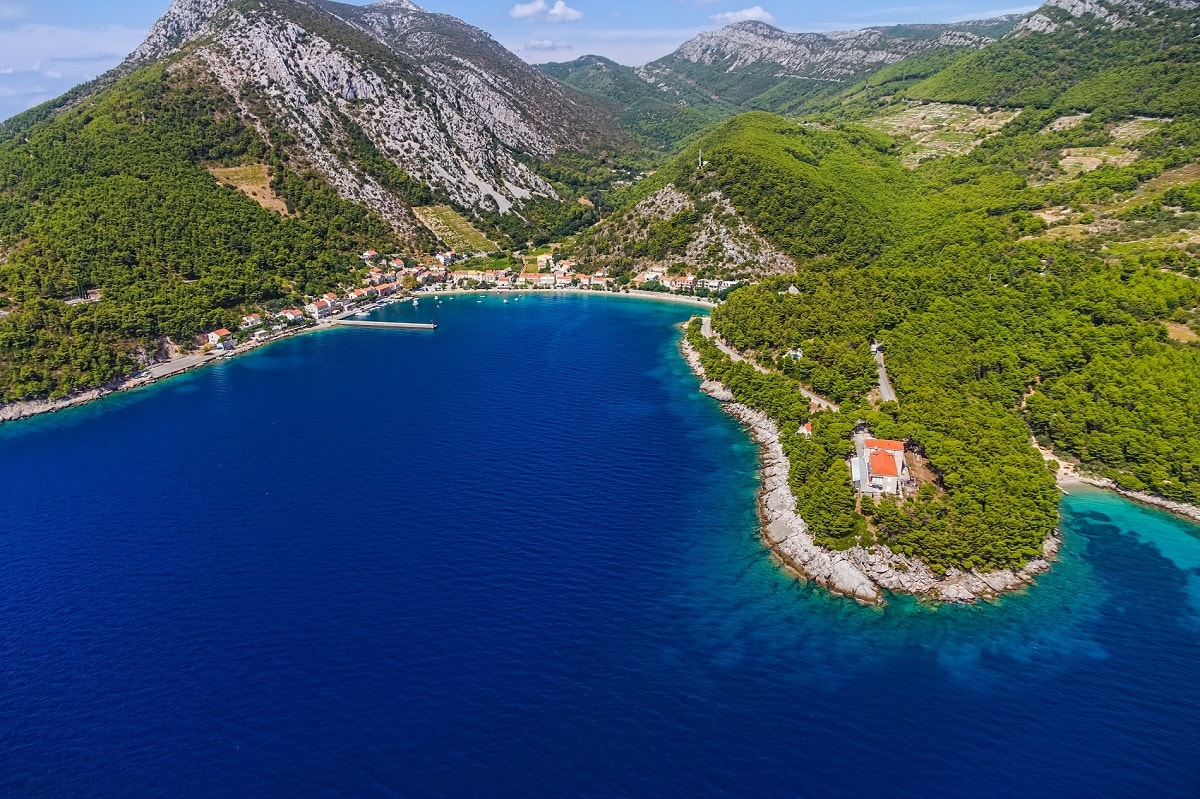
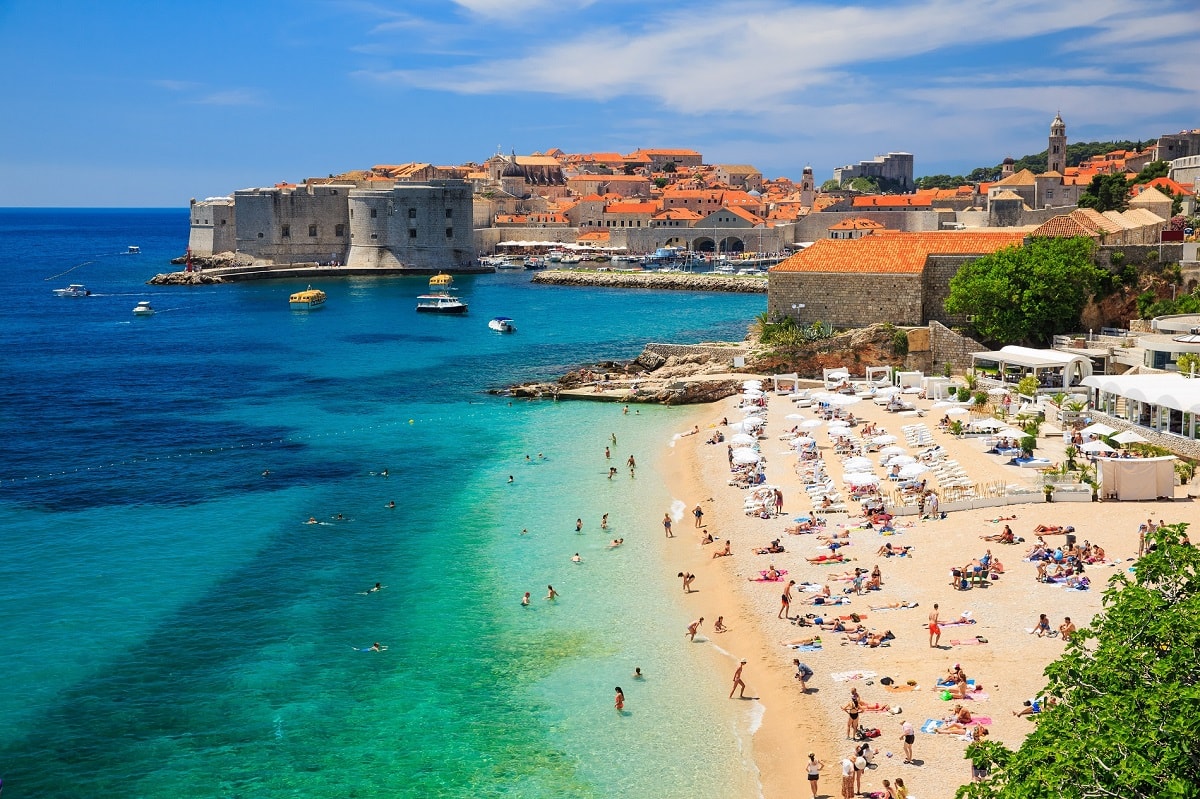
    The Adriatic shore of Croatia is the most indented coastline in the Mediterranean making it an oasis for numerous summer activities. Croatia's Adriatic Sea mainland coast is 1777 kilometers long, while its 1246 islands and islets have a further 4058 kilometers of coastline making a total of 5835 kilometers coastline. A paradise for sailing, boat trips, summer vacation, enjoying on beaches, water sports, and explorations.

  2. 2 1246 islands and islets
    The largest islands in the Adriatic are Cres and Krk (405 km2) and the tallest is Brač (Vidova gora - 780 meters above sea level). Out of 1246 Croatian islands, islets, and rocks, 47 of them are permanently inhabited. The most populous islands are Krk and Korčula (a little bit more than 15000 residents).

  3. 3 10 UNESCO World Heritage Sites
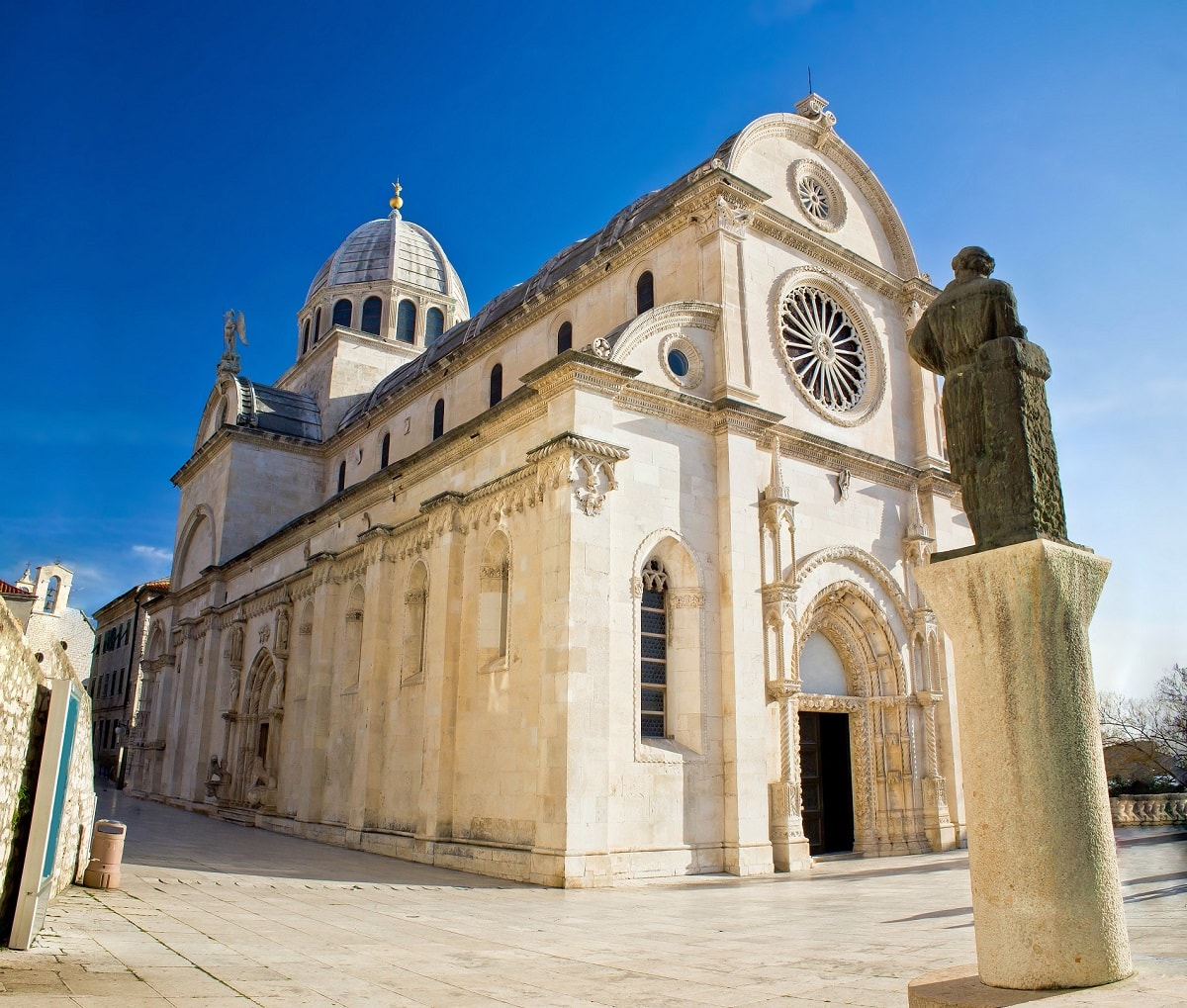
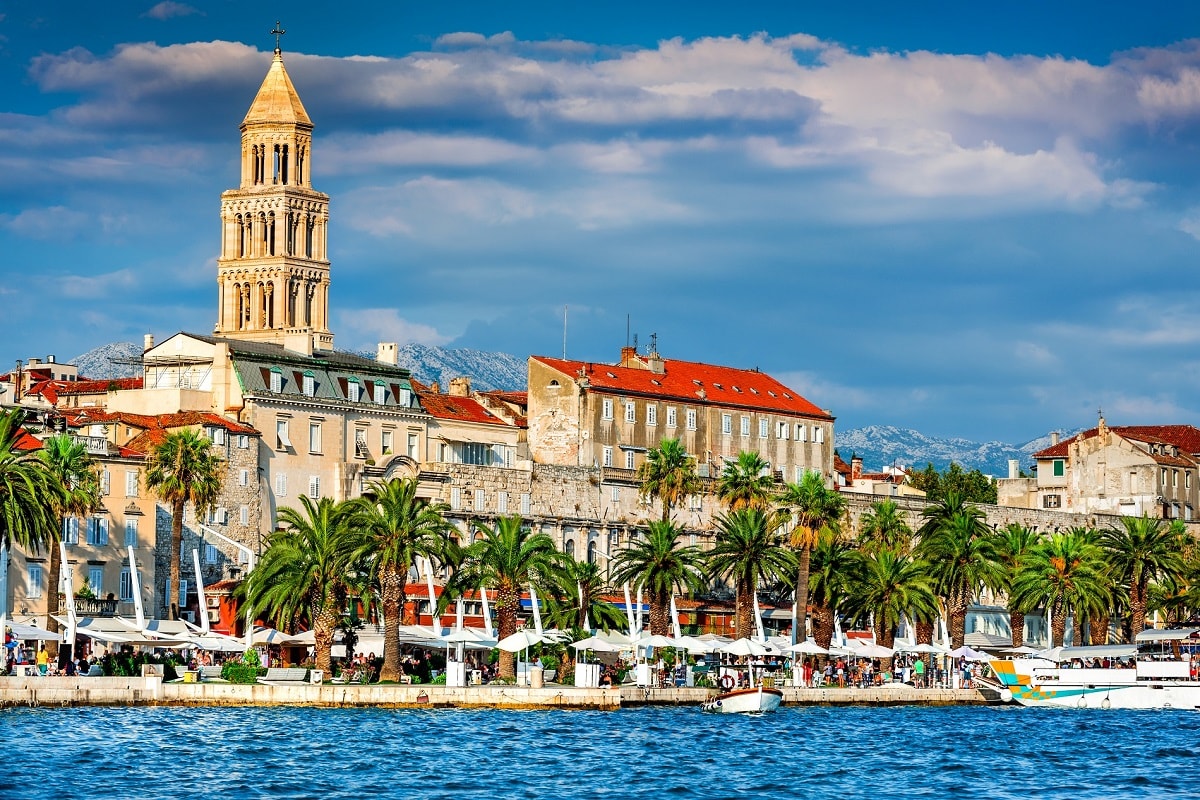
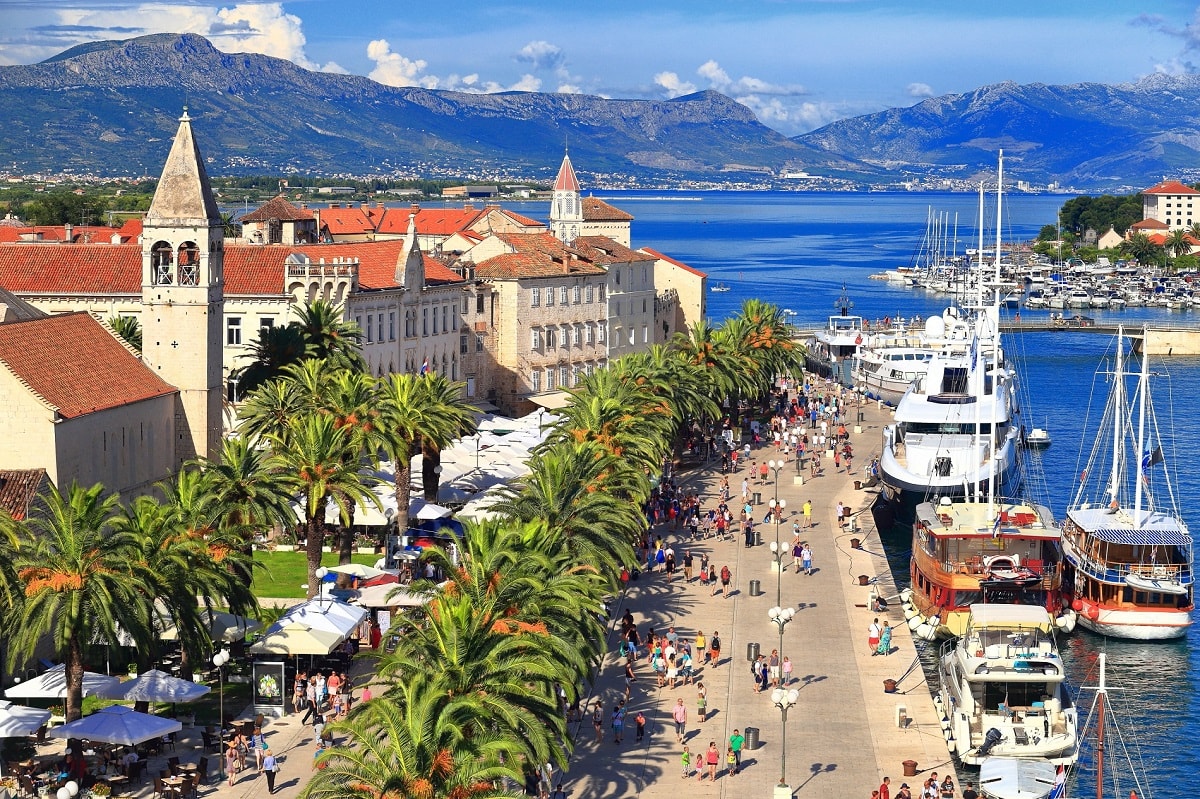
    Although a small country, Croatia has a rich culture and history. Listed on the UNESCO World Heritage List are: Plitvice Lakes National Park, Euphrasian Basilica in Poreč, Diocletian's Palace and medieval Split, the Old City of Dubrovnik, historic city of Trogir, Stari Grad plain on the island of Hvar, the cathedral of St. James in Šibenik, stećci - medieval tombstones, Venetian works of defense between 16th and 17th centuries (fortress of St. Nikola in Šibenik and defense system in Zadar), and primeval beech forests of the Carpathians and other regions of Europe (national parks North Velebit and Paklenica).
  1. 4 8 national parks
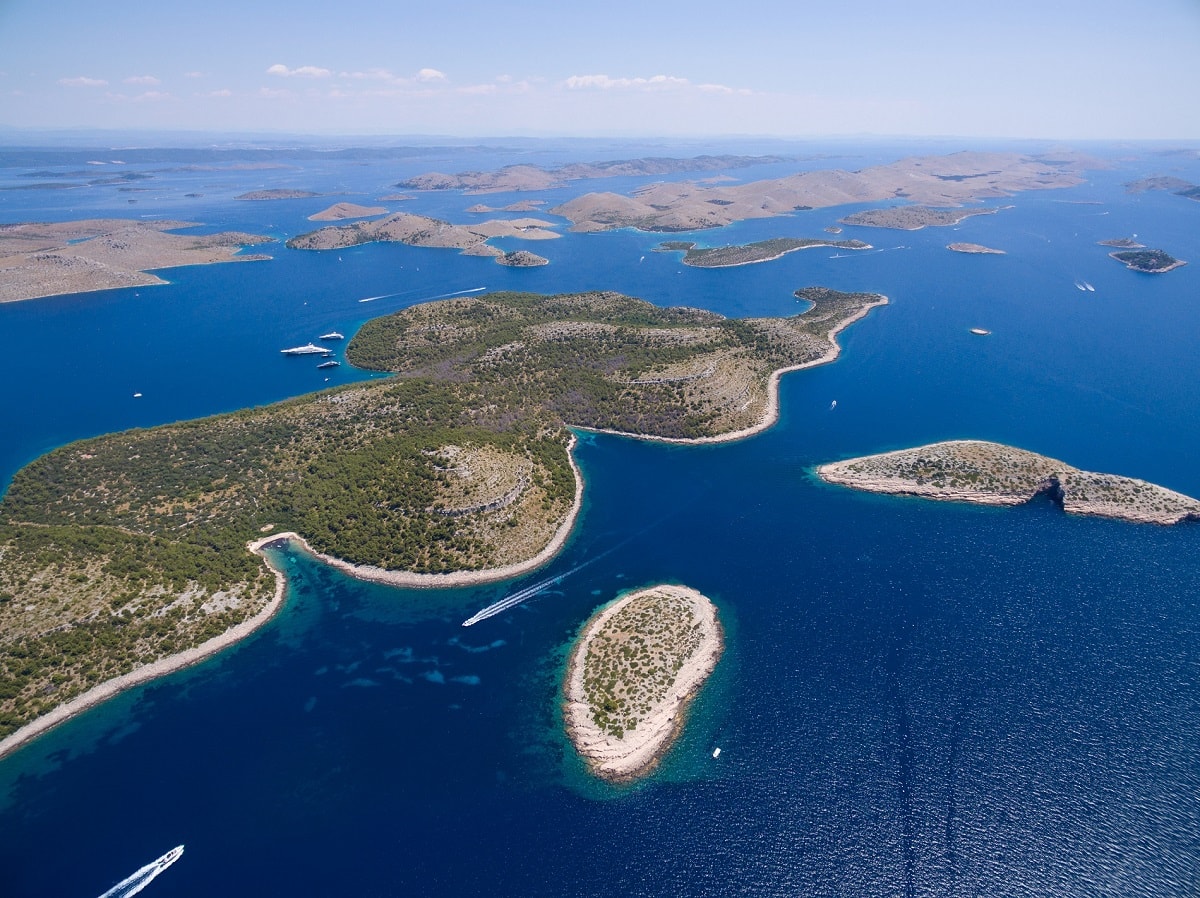
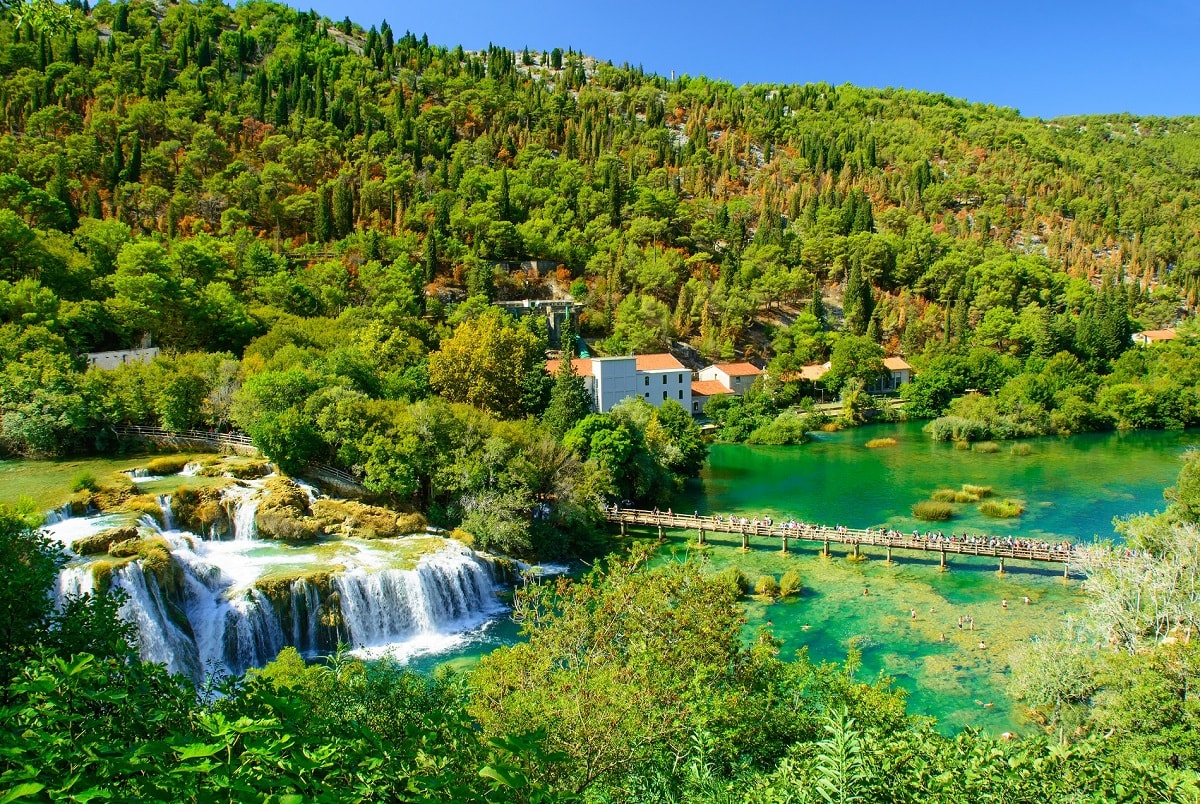
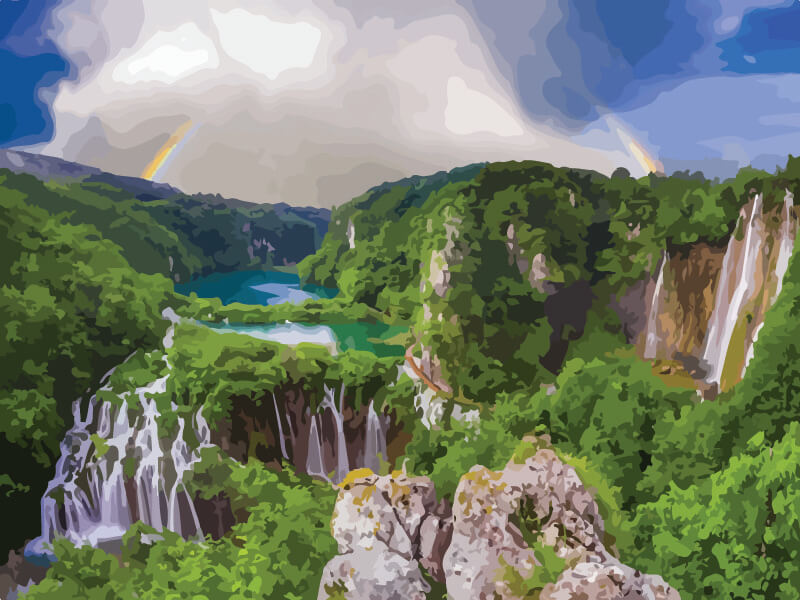
    Brijuni, Kornati, Krka, Mljet, Paklenica, Plitvice lakes, Risnjak, and North Velebit are national parks in Croatia. The oldest, largest, and most popular Croatian National Park is Plitvice lakes, but each national park is unique and worth of visit. You can swim in emerald waters of river Krka, hike and climb on Velebit mountain, sail between hundreds of islands of Kornati, dive in crystal clear Adriatic sea on the island of Mljet, or explore many waterfalls in Plitvice.

  2. 5 Natural and geographical diversity
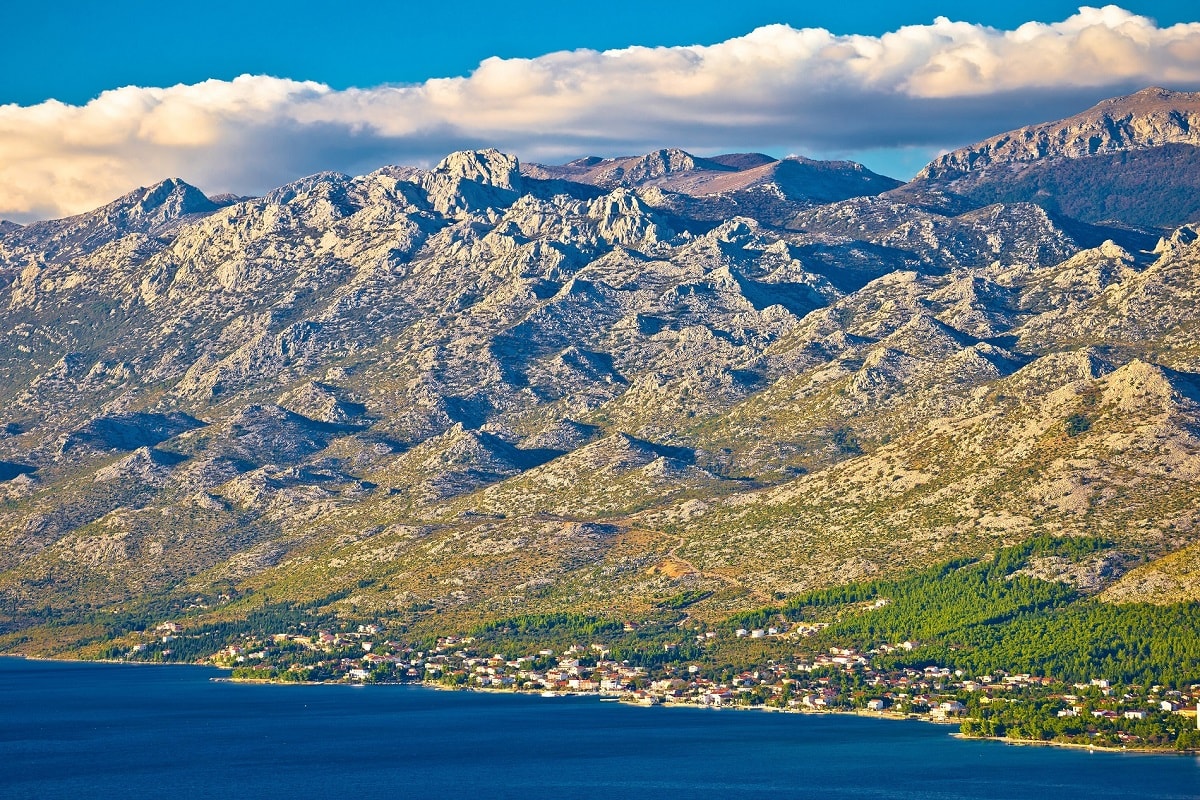
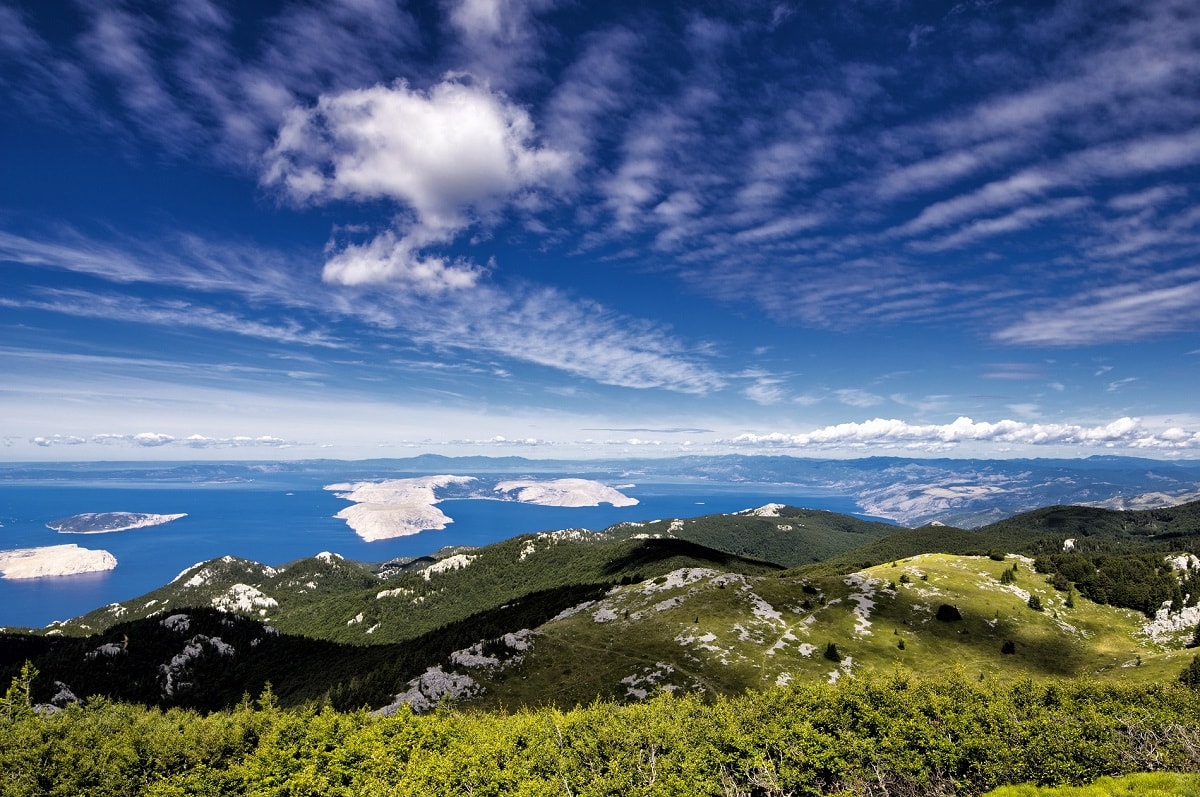
    Thanks to its 3 very distinct geographic regions (Adriatic, Dinaric, and Continental/Pannonian), Croatia is abundant with natural beauties. Croatia occupies the largest part of the eastern coast of the Adriatic sea which, as a part of the Mediterranean sea, penetrates deepest into European soil. The narrow Dinaric Alps (Dinarides) mountain range separates the Adriatic (Mediterranean) region from central European continental part. Continental Croatia spans from the easterly edges of the Alps in the North-West to the shores of the Danube in the East, encompassing the southern part of the fertile Pannonian lowlands.

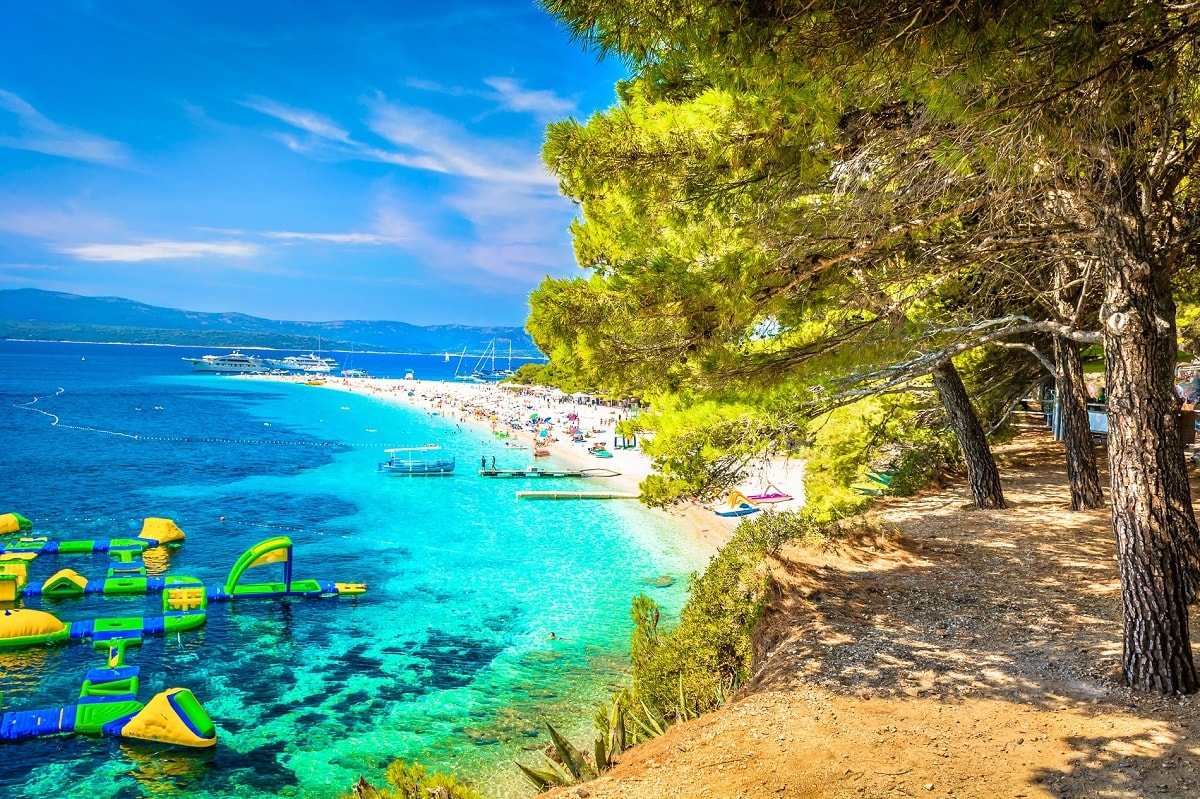
  3. 6 Spectacular beaches
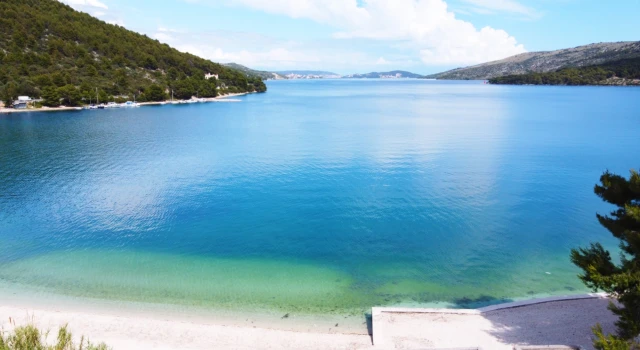
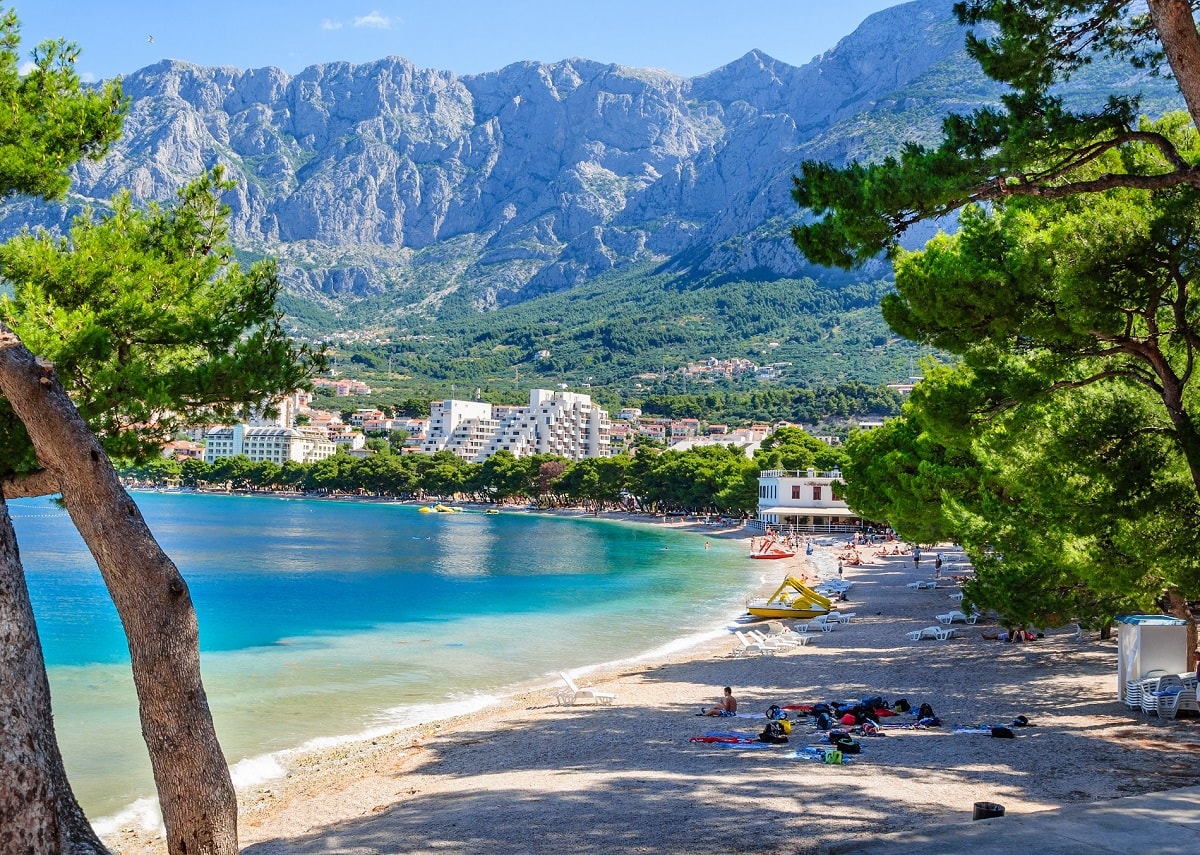
    Croatia is famed for its scenic beaches and crystal clear sea that almost every place on the coast has. One of the most well-known beaches is Zlatni Rat (Golden Cape) in Bol on the island of Brač and Nugal beach in Makarska. Most beaches on the Croatian Adriatic coast are pebbles but there are also sandy beaches that are very popular for families with children and one of the most famous sandy beaches is Paradise beach in Lopar on the island of Rab. It is no surprise that Croatia and Adriatic coast is as a tourist magnet attracting visitors from all around the world.
  1. 7 Pleasant climate
    The areas along the Adriatic coast have a pleasantly mild Mediterranean climate with a large number of sunny days, summers are hot and dry and winters are mild and wet. When is the best time to visit? We would say spring (May and June) and autumn (September and October) to avoid the peak season crowds. May and the first half of June is a great time to visit Croatia, as temperatures have already risen to pleasant levels and days are longer and longer. September and early October have sunny weather with very warm temperatures, and the sea is warm enough for swimming. You’ll also get a greater choice of private accommodation in Croatia and can dodge high prices during main season.

  2. 8 Olive oil, wine, and Croatian cuisine
    The coastal region of Croatia is characterized by the influences of Mediterranean cuisines. It features many seafood specialties (squid, cuttlefish, octopus, shrimp, lobster...) prepared in various ways, olive oil, prosciutto, various vegetables, Dalmatian wines such as Babić, Malvasia, Prosecco and Vrbnik Žlahtina, and various liqueurs like the famous Maraschino. Continental Croatia cuisine is rich with meat products, freshwater fish, and vegetables. Istrian and Dalmatian olive oil is exceptional, the extra virgin quality, and you can participate in olive harvest during October and November and experience local customs and traditional way of life.

  3. 9 Easy to reach and super safe
    Thanks to its geographical position and excellent road connections (modern highways) it only takes couple of hours drive from Austria, Slovenia, Italy, Czech Republic, Hungary, Slovakia to reach Croatia and Adriatic coast. There are many air lines between Croatia (Zagreb, Zadar, Pula, Split, Dubrovnik) and major European citys (inluding lowcost flights). In Croatia, you will feel super safe as crime rates are among lowest in the world, but it makes sense to be careful in public places, especially train and bus stations in major cities.

  4. 10 Laganini (Mediterranean) lifestyle
    Did you know Laganini is a Croatian slang word? Laganini means to go slowly without any rush, but its true meaning is much more than that. Laganini is a state of mind, slowness rather than fatigue, lowering from a higher speed to a slower speed, or how to learn to appreciate a slower lifestyle. And Croatians would say "Samo Laganini", in literal translation - "go slowly", because it is a lifestyle. Similar to the Mediterranean style of living a more simple life outdoors which has a slow pace and of course accompanied by healthy Mediterranean food.

Our recommendation

Featured offer of private accommodation in Croatia

Where to go, stay and what to do?

Planning to spend your vacation in Croatia?
Mago - Laganini.com mascot